
Project Team
Working across disciplines and regions
RELI-GENE brings together interdisciplinary scholars, artists and technical experts working across Europe and the Middle East to examine the social and ethical dimensions of genetics and religion
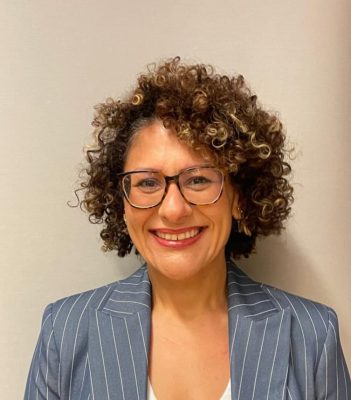
Professor Yafa Shanneik
Principal Investigator
Yafa’s work examines the intersections of religion, female agency and mobility across Europe and the Middle East, with a particular focus on women’s creative and transnational forms of resistance. She has conducted extensive multi-sited ethnographic fieldwork among Muslim women across the Levant, Arab Gulf countries, Iran and various European countries.
A distinctive feature of her work is the use of immersive and arts-based methodologies. She integrates body-mapping, augmented reality and virtual reality to co-produce knowledge with displaced communities and to foreground lived experiences of displacement, agency and resistance
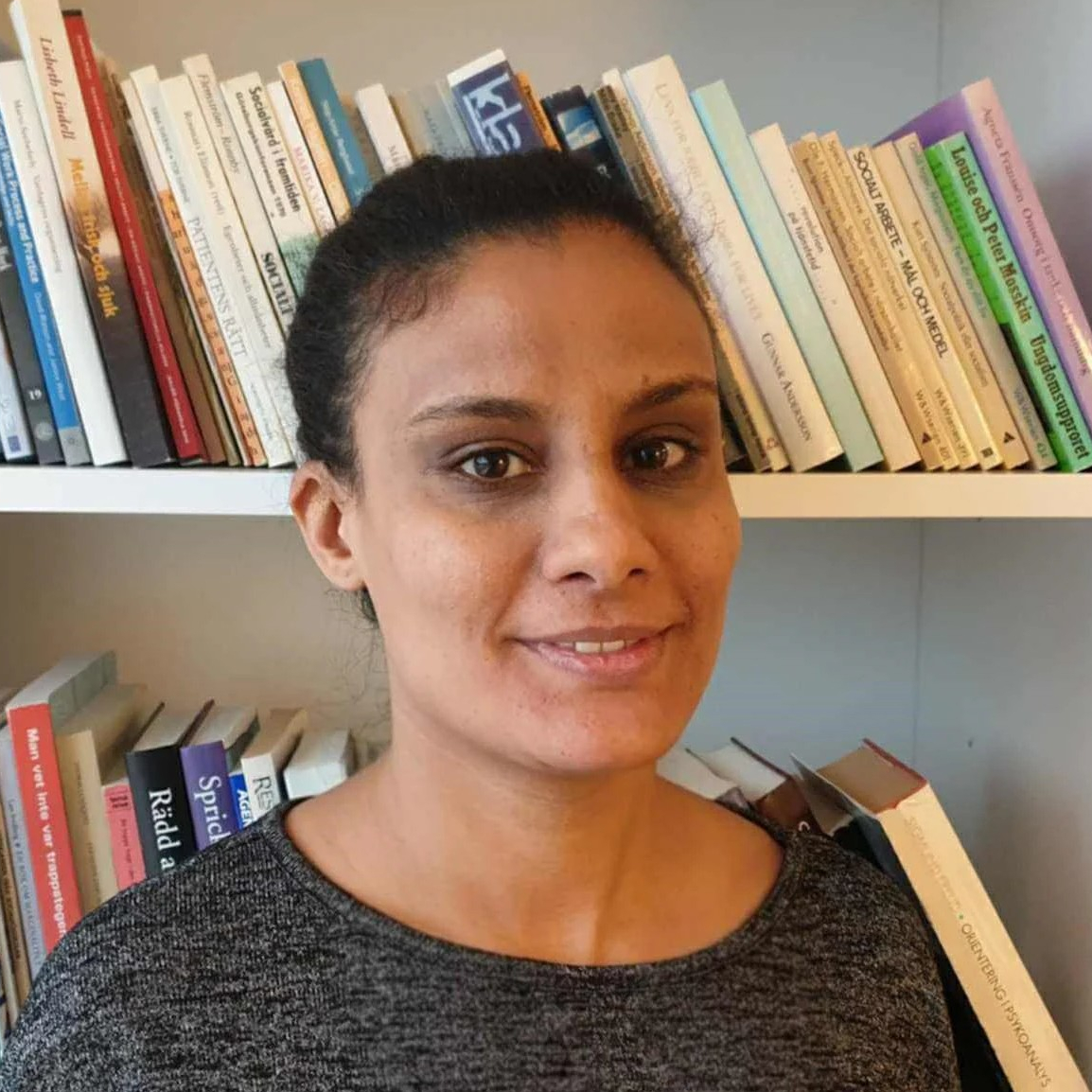
Nada Amroussia
Postdoctoral Researcher
Nada’s research explores migration and health as well as sexual
and reproductive health equity, with a particular focus on ethnicised and
racialised groups in Sweden.
Within the framework of RELI-GENE, she will conduct a comparative study
examining how the ban on cousin marriage shapes and regulates family
formation and reproductive practices among Arabic-speaking Muslim
communities in Sweden and Norway.
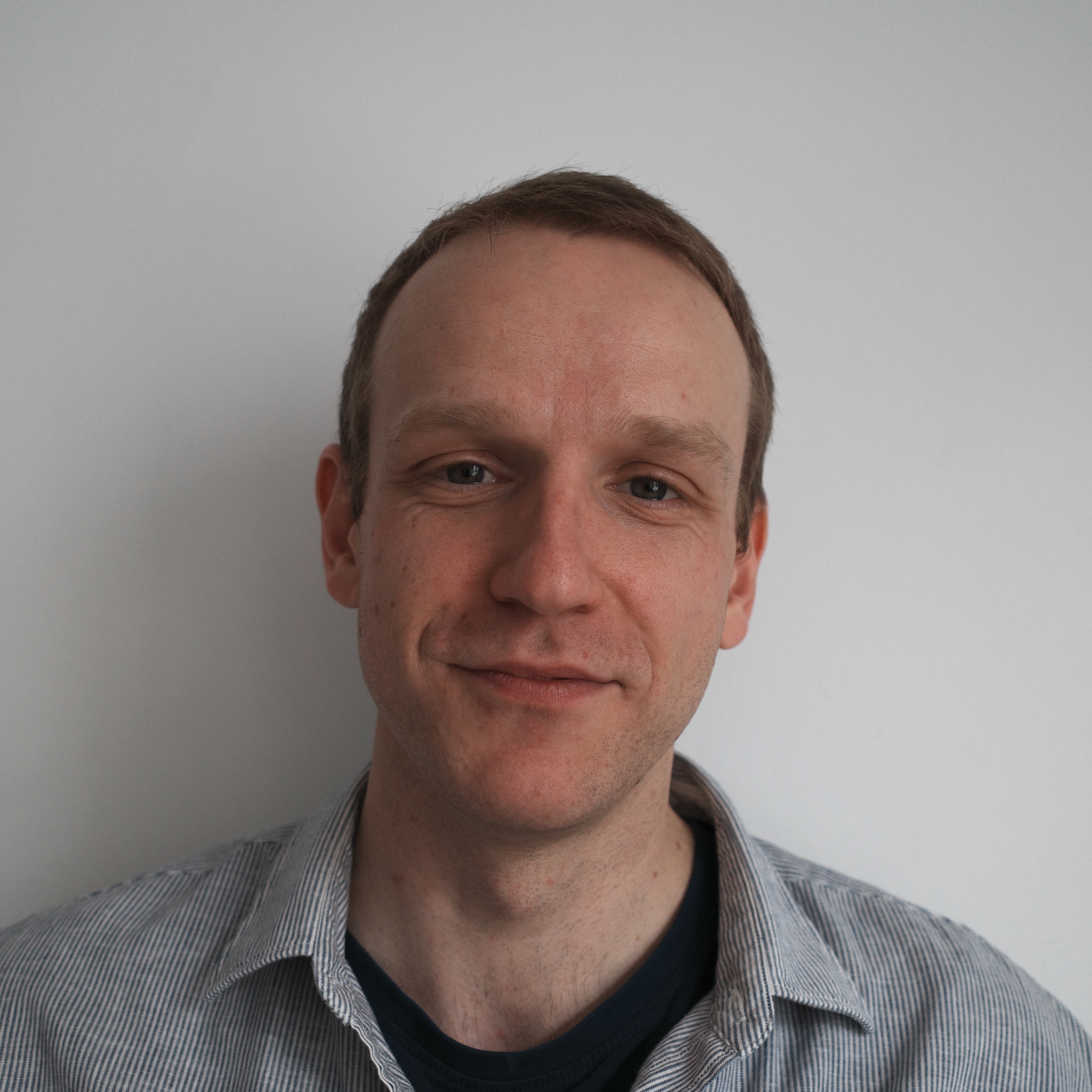
Marcel Wegner
PhD Candidate
Marcel comes from an interdisciplinary academic background, having studied political science, Islamic studies and Middle Eastern studies.
Within the RELI-GENE project, he will examine the political and social foundations of German discourse on genomic reproductive technology and how these discourses shape genetic counselling practices and minority community responses. Drawing on the work of Michel Foucault, he will analyse parliamentary debates and conduct interviews with policy makers and healthcare providers.
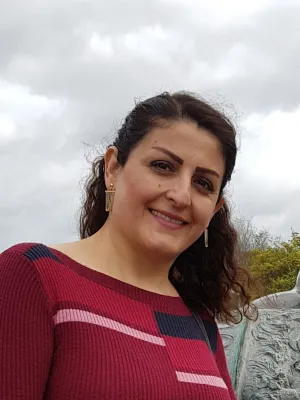
Rafah Barhoum
Researcher
Rafah’s research examines the relationship between genetic knowledge, religious identity and ethnic belonging among Yazidi minorities in Sweden and Germany.
Drawing on ethnographic fieldwork, she analyses how consanguineous and endogamous marriages shape family formation and communal continuity and how migration, community obligations and health concerns are transforming marital norms across the Yazidi diaspora.

Martin Francisco Saps
Researcher
Martin is an urban researcher whose work explores the intersection of global politics, religion, technology, and everyday urban life.
Within RELI-GENE, Martin will investigate how digital platforms are reshaping marriage, reproduction, and family formation across the Haredi Jewish diaspora, drawing on fieldwork in London, New York, and Jerusalem.
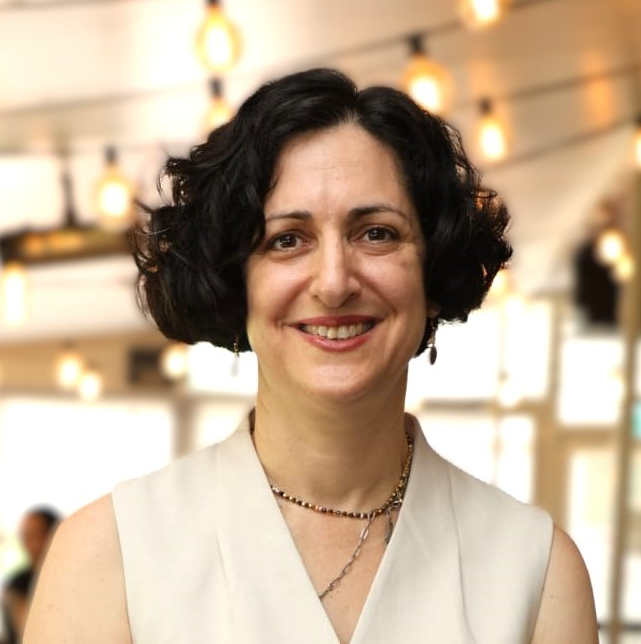
Einat Gilboa-Oppenheim
Researcher
Einat’s research focuses on the intersection of fertility, family, and policy, examining how ‘proper’ Jewish families are defined and shaped through genetics, gender, religion, and race.
Within the RELI-GENE project, she examines how healthcare systems shape reproductive lives, taking Ethiopian Jewish Immigrants in Jerusalem and other cities as a case study. Her research asks how fertility and family planning have been approached within this community since their arrival and how current healthcare reflects, or overlooks, their specific needs and experiences.
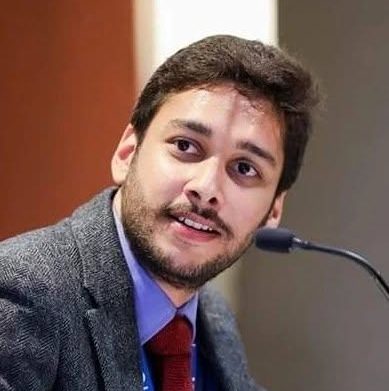
Ruzbeh V. Hodiwala
Researcher
Ruzbeh’s contribution to RELI-GENE centres on the Parsi Zoroastrian community in the United Kingdom. He examines how marriage and reproductive health legislation designed without Parsis in mind narrows the reproductive options of a small, transnational minority from debates on close-kin marriage to shifting immigration policy.
Drawing on document analysis, comparative legal mapping and his own primary research on Parsi marriage patterns, his work extends the project’s governmentality framework to a case shaped by the demographic decline of a strictly endogamous community.

Caroline Karlsson
Researcher
Caroline’s research explores the political regulation of sexuality and the governance of social reproduction from a contemporary and historical perspective.
Her contribution to the RELI-GENE project centers on the politico-juridical regulation of family formations, marriage and reproductive practices in the Scandinavian context, taking the ban on cousin marriage as a starting point. Using policy analysis, she will critically examine how the Scandinavian countries conceive of cousin marriage as a specific social and political problem that warrants a criminal ban or other forms of legal regulations.
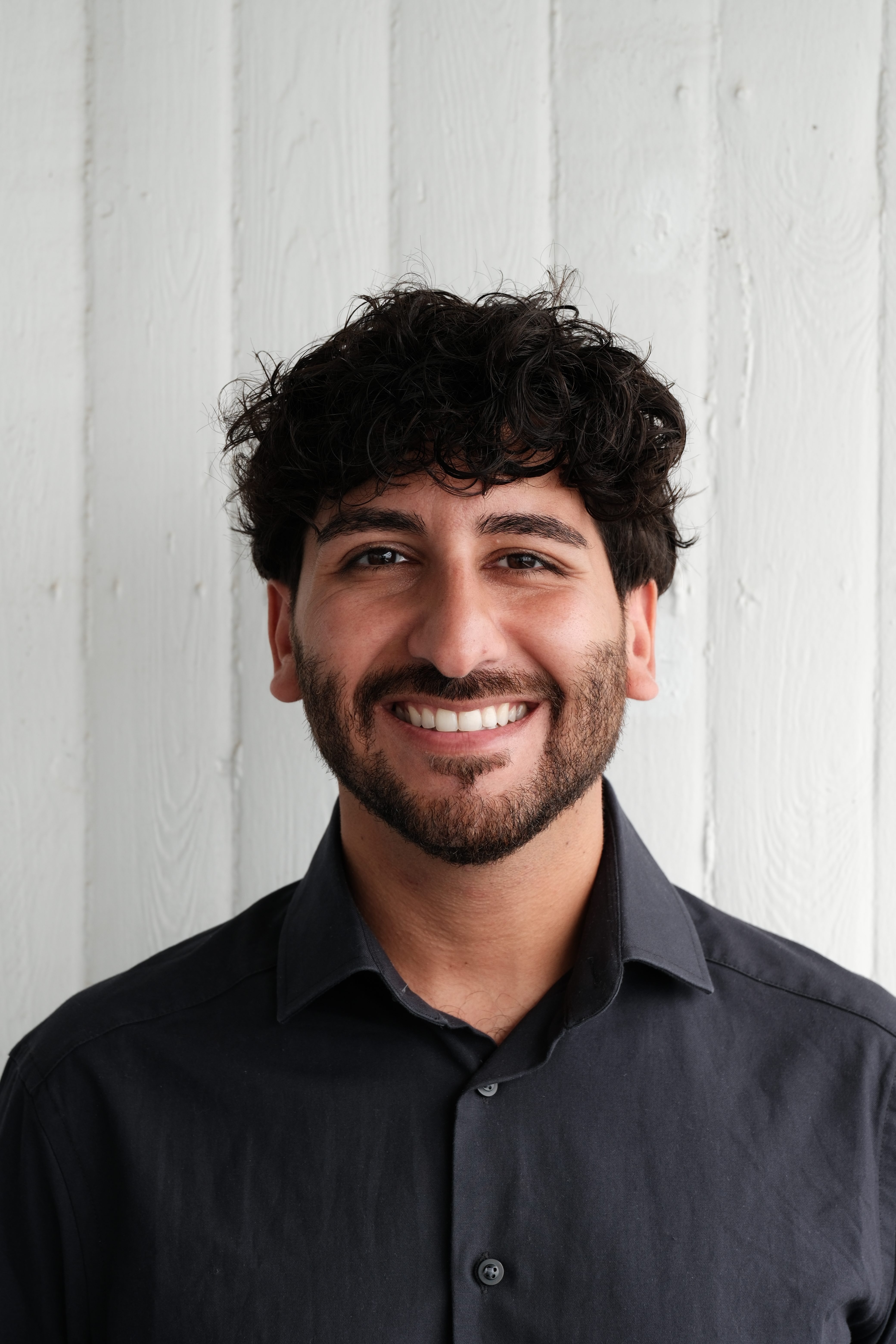
Bandar Shanneik
Researcher
Bandar’s research explores how legal systems make decisions, interpret norms, and respond to social and technological change. His research interests lie in the fields of artificial intelligence and law, comparative legal studies, migration law, and family recognition.
His contribution to RELI-GENE centres on the comparative analysis of legal and regulatory frameworks governing family formation, marriage, and reproductive decision making in Germany, the United Kingdom, and the United Arab Emirates. His work includes reviewing academic, legal, and policy literature, mapping state-level governance frameworks,
analysing relevant case law, and identifying conceptual and methodological gaps addressed by the project.